Research

We work on the computational systems biology of aging.

Three questions sit at the centre of what we do: why we age, whether we can reliably measure it, and whether we can intervene to extend healthspan. We pursue these across scales — from molecular noise inside a single cell to organismal biological age in human cohorts — combining model organisms with large-scale human data.

Three current programmes anchor the lab, though most of our projects sit at the intersection of two or more of them.

Theme 01

Stochasticity & Regulation in Aging

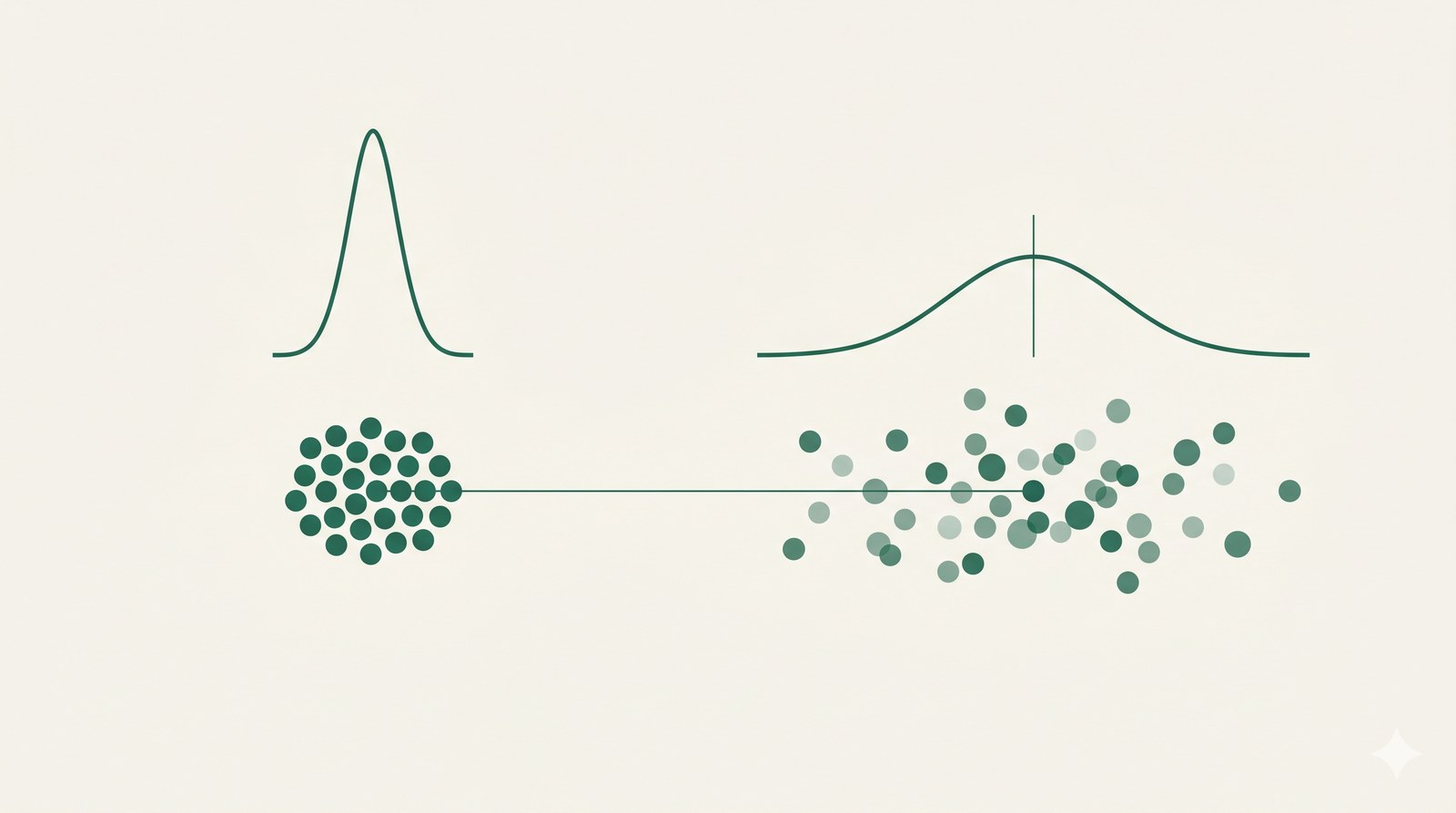
Most aging biomarkers describe what changes on average — average expression, average methylation. But the variance changes too. Regulatory networks lose their tightness with age. Cells of nominally the same type drift apart. Inter-individual differences widen, so that animals of identical chronological age can become noticeably more divergent at the molecular level than they were when young. The noise in the context of ageing is not an artefact; it is a signal.

We are interested in the causes, biological relevance, and intervention potential of this regulatory decay. Is it an upstream driver of age-related dysfunction, or a downstream readout of more proximal failures? Is there a shared geometry of regulatory decay across organisms, tissues, and omics layers — or does each system fail along its own axis? Does the variance signal carry predictive information that mean-based biomarkers miss — for disease risk, drug response, individual trajectories? And is it reversible: do interventions that extend healthspan also restore regulatory coordination, or do they only buy time?
Theme 02

Microbiome & Aging

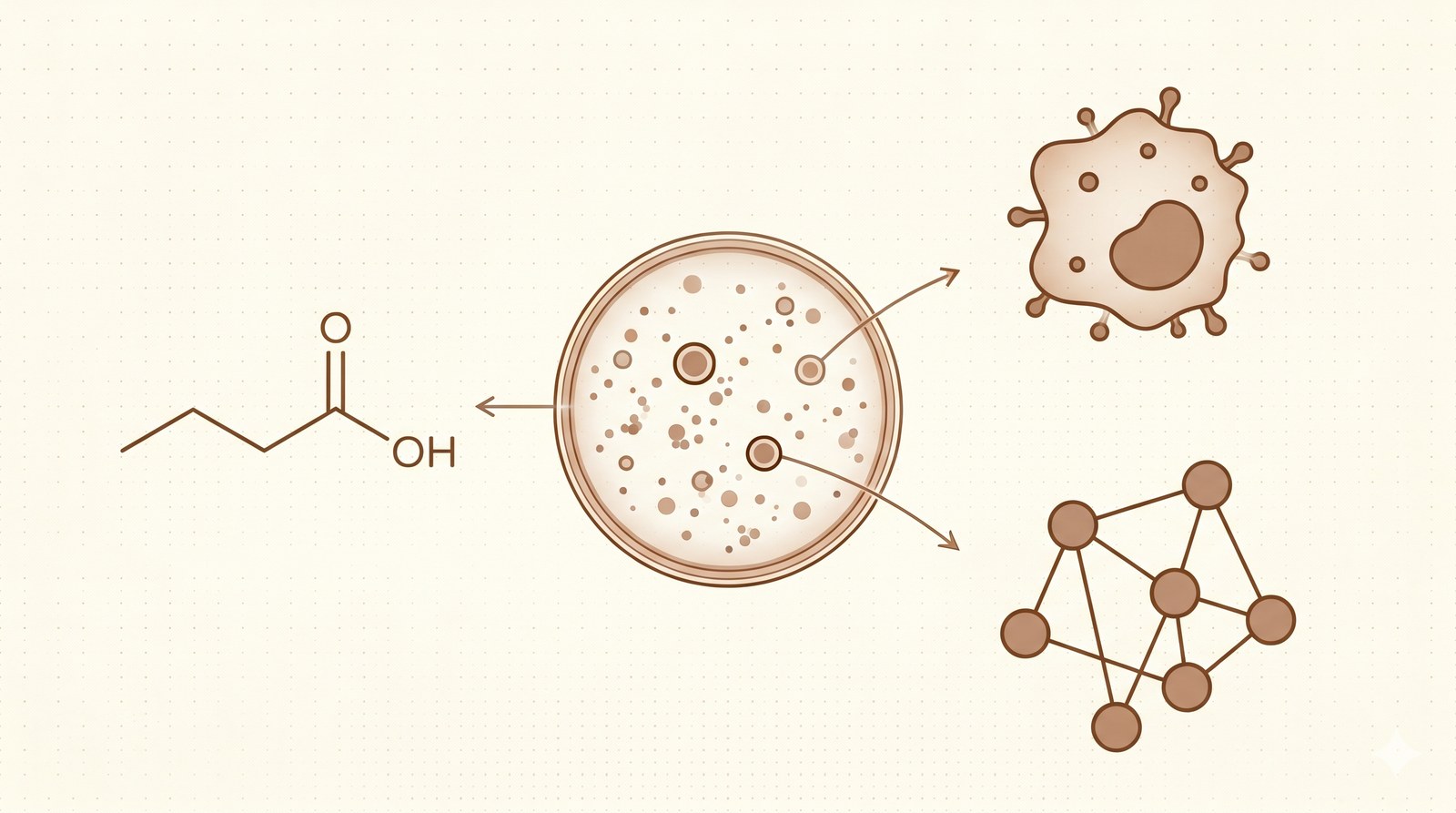
The gut microbiome changes with age. Microbiota transplants across hosts of different ages alter health and lifespan in multiple model organisms. So the broad question — does the microbiome influence host health and aging? — is no longer the open one.

What’s still open is the effect, resolution, and route. Of the many taxonomic and functional shifts seen in aging guts, which are drivers and which are consequences? Which are innocent or even beneficial, and which are harmful? When microbes do influence host aging, through which route — specific taxa and the metabolites they secrete, microbe–immune crosstalk, or community-level properties such as diversity, succession, and network structure? And how do we close the loop between observational human cohorts and mechanistic experiments in model systems, so that interventions devised in one translate to the other? We address these questions across organisms and study designs — observational, longitudinal, and causal-inference — combining wet- and dry-lab approaches.

Theme 03

Measuring Aging Across Scales

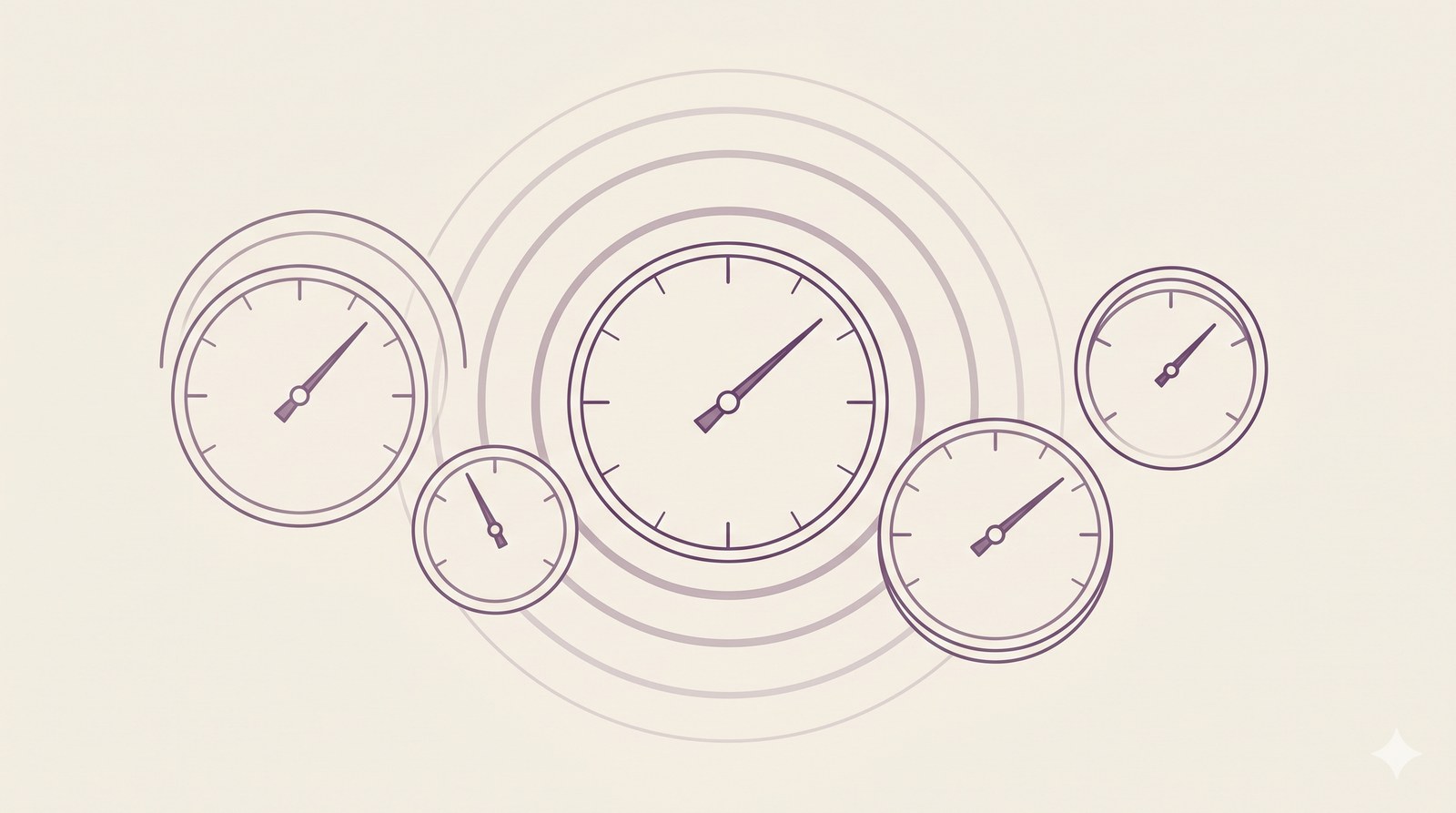
Estimates of biological age are everywhere — clocks, frailty indices, multi-omic biomarkers. Each predicts chronological age with surprising accuracy, but interpreting the biology behind these predictions is the harder problem. We are interested in their coherence, biological meaning, and translation to intervention — whether the different measurements pick up the same underlying biology, what they mean for health, and whether they point at anything actionable for intervention.

We focus on a few overlapping pieces. Can we quantify individual aspects of aging — cellular senescence among them — from multi-omic data? Do different cellular markers agree across tissues and contexts? Can age clocks help us deconvolute aging signatures into their components, rather than collapsing them into a single number? Do different clocks and biomarkers track the same underlying aging trajectory, or different facets that happen to overlap? How much of any “aging signature” is in fact age-related disease — pathology that arrives with age but is not aging itself? More concretely: what is the right operational definition of senescence in a given tissue, given that the markers which work in one rarely transfer cleanly to another?